

Pneumatic Pipe Pressure Guide — Working vs Burst Ratings

Understand the difference between working and burst pressure, safety factors, and how temperature affects ratings.

Back to blog
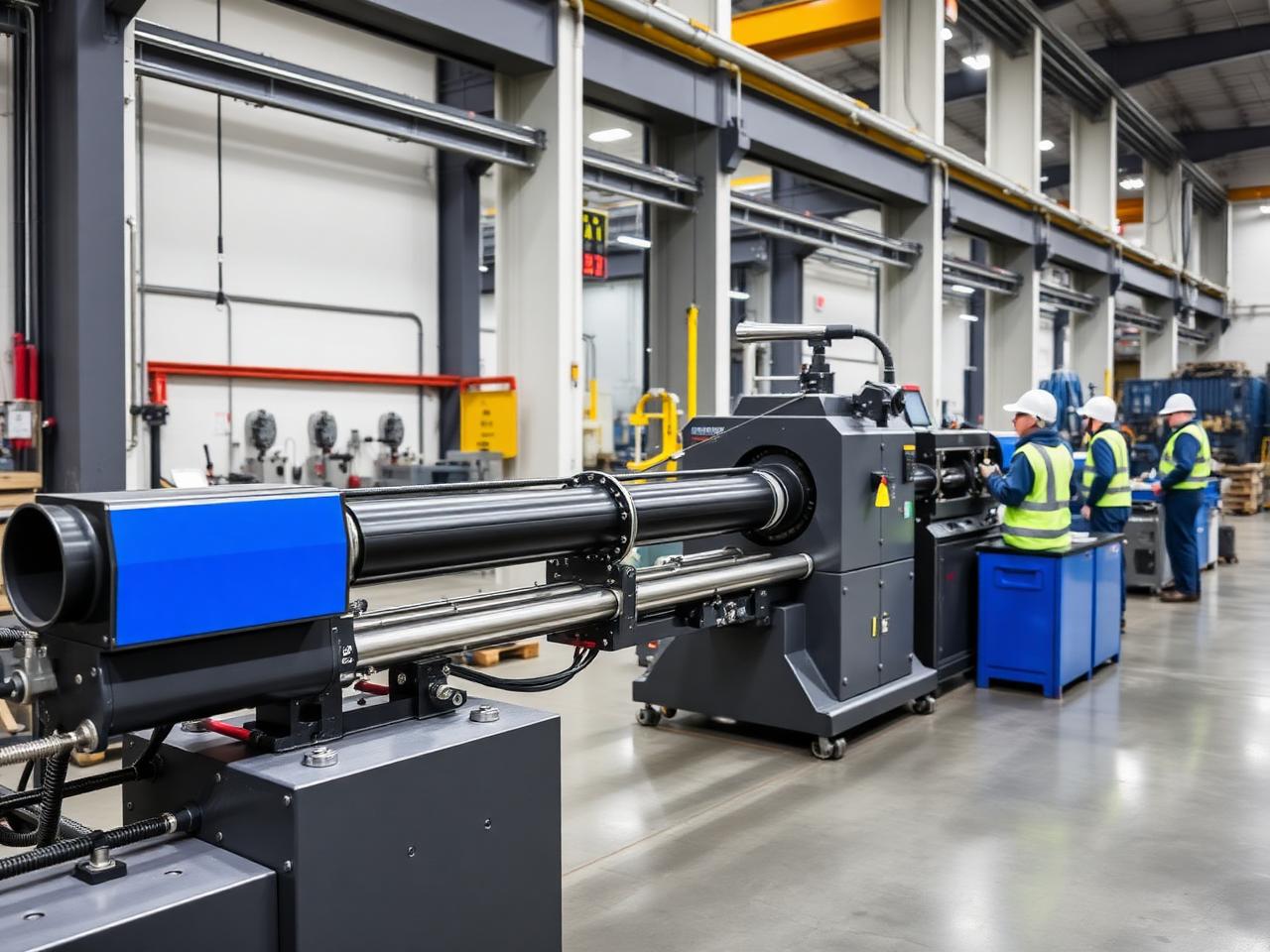
Pneumatic Pipe Pressure Guide — Working vs Burst Ratings — pneumatic tube production process at Corvin Polytech

Understanding pressure ratings is critical for safe and efficient pneumatic system design. Two key specifications — working pressure and burst pressure — define the operational limits of any pneumatic tube.

Working pressure (also called rated pressure) is the maximum continuous pressure a tube can safely handle during normal operation. For standard PU tubes, this is typically 10–15 bar at 20°C. The tube is designed to operate at or below this level indefinitely.

Burst pressure is the pressure at which the tube fails catastrophically. It is typically 3–4 times the working pressure. A tube rated at 12 bar working pressure might burst at 36–48 bar. This safety margin accounts for pressure spikes, ageing, and installation stress.

Temperature significantly affects pressure capacity. As temperature increases, polymer chains become more mobile, reducing the tube's ability to resist internal pressure. A general rule: derate working pressure by approximately 10% for every 10°C above the rated temperature.

For high-pressure applications (20–30 bar), consider braided PU tubes with polyester reinforcement or nylon PA12 tubes. These materials maintain structural integrity at pressures that would cause standard PU tubes to expand excessively.
Related Articles

How to Identify the Best PU Tube Manufacturer in India — pneumatic tubing insights

How to Identify the Best PU Tube Manufacturer in India

Key criteria — certifications, testing, infrastructure, export experience — that separate top-tier PU manufacturers from the rest.

Read article
Pneumatic Tube Sizes Guide: Choosing OD, ID & Wall Thickness — pneumatic tubing insights

Pneumatic Tube Sizes Guide: Choosing OD, ID & Wall Thickness

A practical guide to selecting the right tube dimensions for your pneumatic system flow rate and pressure requirements.

Read article
TPU vs PU Tubes: Which Should You Choose? — pneumatic tubing insights

TPU vs PU Tubes: Which Should You Choose?

Compare hardness, abrasion resistance, temperature range, and cost between thermoplastic PU and ester/ether-grade PU tubes.

Read article

Partner with a Top-Tier PU Tube Manufacturer

Contact Corvin Polytech today for expert engineering assistance, free product samples, and customized quotes within 24 hours.